The growing urgency to reduce waste accumulation and enhance resource efficiency has propelled circular economy models to the forefront of sustainable industrial practice. Among the technological solutions enabling this paradigm shift, the pyrolysis plant emerges as a pivotal component, converting otherwise problematic waste into valuable energy products. Every year, millions of tonnes of tires, plastics, and biomass end up in landfills, posing environmental hazards and squandering potential resources. Integrating a pyrolysis plant within circular economy strategies not only mitigates waste but also generates secondary materials that can re-enter production cycles, supporting both ecological and economic sustainability.
Advancing Waste-to-Energy Conversion
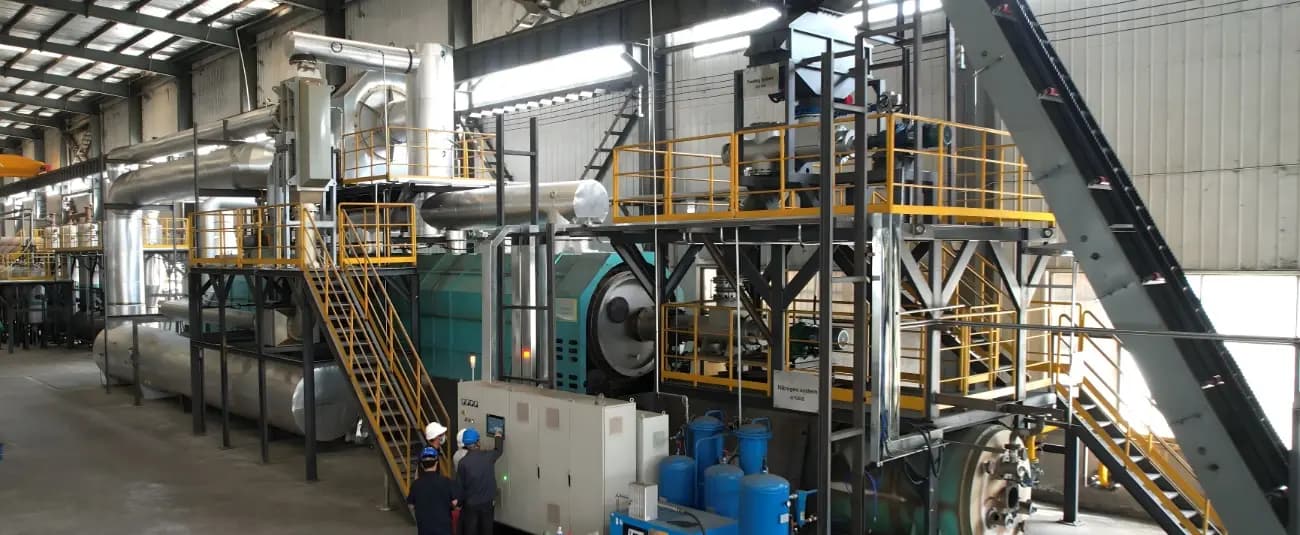
Pyrolysis technology facilitates the thermochemical decomposition of organic materials under oxygen-limited conditions, producing fuel oil, combustible gas, and solid char. A fully automatic pyrolysis plant allows for continuous operation with minimal human intervention, improving both efficiency and safety. The adaptability of pyrolysis machines for sale enables industries to process diverse feedstocks, from scrap tires to agricultural residues. In Europe, several municipalities and private enterprises are leveraging pyrolysis plants to meet stringent waste management regulations while simultaneously generating energy outputs that offset fossil fuel consumption.
Economic Implications and Cost Considerations
While the initial investment in a pyrolysis plant can be significant, understanding the cost of tyre pyrolysis plant and related operational expenses is crucial for effective planning. Revenue streams derive not only from the sale of pyrolysis oil and carbon black but also from energy recovery and environmental compliance incentives. Strategic deployment in circular economy frameworks maximizes return on investment by converting liabilities—such as end-of-life tires—into marketable products. Cost efficiency improves further when integrated with automation technologies, reducing labor demands and ensuring consistent output quality.
Environmental and Regulatory Integration
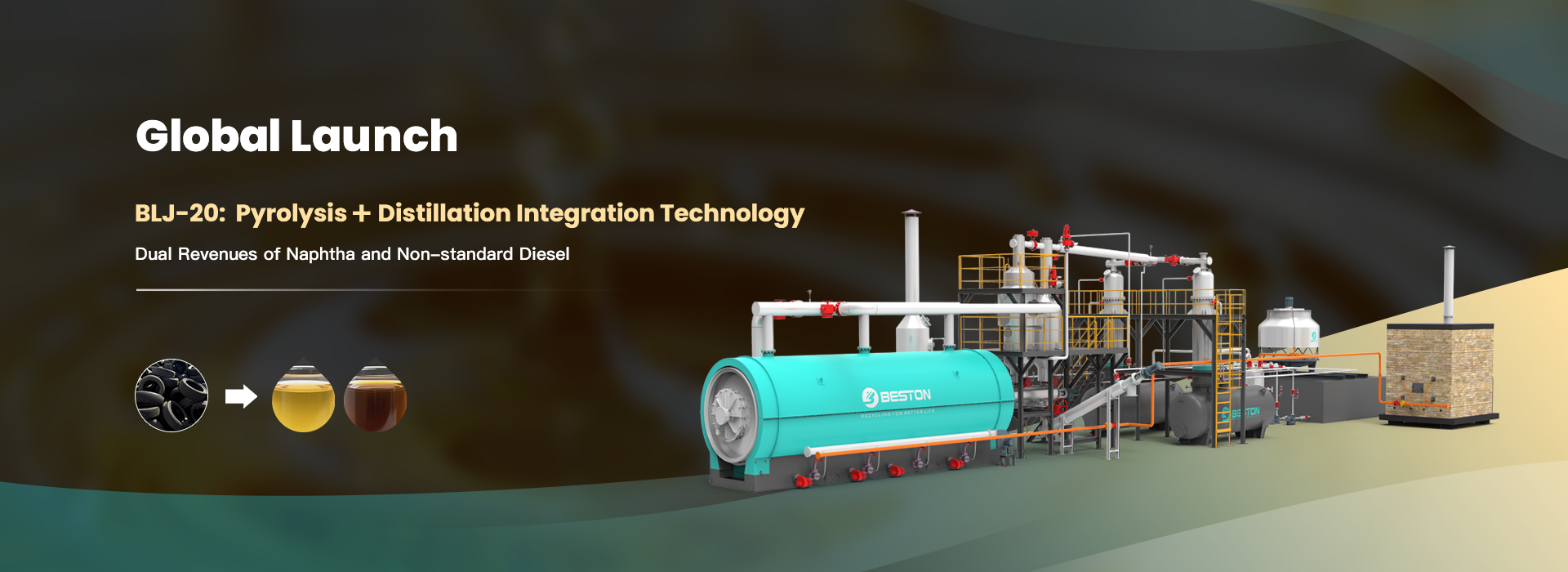
Pyrolysis plants contribute directly to waste reduction, minimizing landfill pressure and greenhouse gas emissions. By recovering energy from materials that would otherwise decompose anaerobically, pyrolysis mitigates methane release and decreases reliance on non-renewable resources. Pyrolysis plant in Europe, particularly in regions with strict environmental regulations, demonstrates a compelling case: the recovered products align with sustainability mandates, and the process itself can be monitored to meet air quality standards. This compliance positions pyrolysis as a viable industrial tool within circular economy initiatives.
Strategic Role in Industrial Sustainability
The integration of a pyrolysis machine for sale within manufacturing networks creates closed-loop systems, where materials are continuously cycled through production, consumption, and recycling stages. This approach reduces raw material extraction, promotes energy efficiency, and fosters resilience against resource scarcity. Enterprises adopting fully automatic pyrolysis plant setups gain operational predictability and can tailor processing capacities to evolving waste streams. As industrial sectors increasingly pivot toward sustainable practices, pyrolysis technology offers both environmental and strategic advantages, solidifying its role in future-proof circular economy models.
Future Outlook and Technological Advancement
Continued research in pyrolysis process optimization promises higher yield, lower emissions, and more versatile feedstock utilization. Emerging models are designed with modularity, allowing rapid scaling and integration into existing facilities. The presence of pyrolysis plants in Europe indicates growing market maturity, providing a benchmark for global adoption. Businesses evaluating the cost of tyre pyrolysis plant against long-term operational gains recognize that these systems are not merely waste treatment solutions but essential instruments for resource regeneration and sustainable industrial transformation.